Course Overview
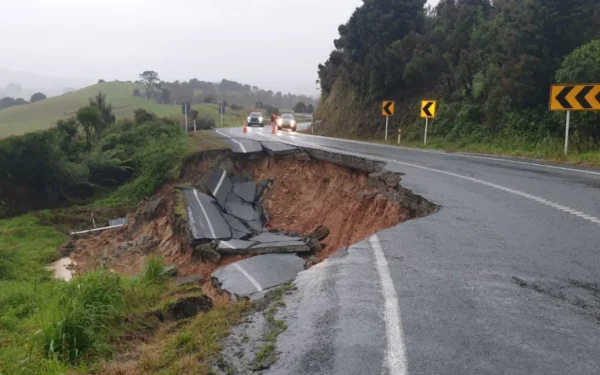
This practical, community-focused training teaches participants how to help manage road closures, coordinate vehicle and pedestrian movement, and keep people safe during emergencies. Whether it’s flooding, landslides, or civil defence incidents, participants will learn how to assist in setting up cordons, guiding traffic, and supporting emergency services in a way that keeps their community moving safely. This course aligns with key aspects of NZQA Unit Standard 7332 – Control the movement of people and vehicles during a civil defence emergency.
What You Will Learn
- ✅ How to support emergency road closures and direct local traffic.
- ✅ Setting up cordons and barriers to keep people safe.
- ✅ Guiding vehicles and pedestrians in an emergency situation.
- ✅ Communicating with whānau, neighbours, and emergency responders.
- ✅ Practical ways to assist at checkpoints and roadblocks.
- ✅ Keeping access routes open for emergency vehicles and services.
- ✅ Hands-on scenario-based training to apply skills in real life.
- ✅ NZQA-aligned certification and compliance.
Who This Course is For
- Community members and organisations helping with local road closures.
- Civil Defence volunteers and response teams supporting emergency efforts.
- Local councils and community groups assisting with traffic management.
- Nonprofits, charities, and event organisers needing road closure skills.
- Farmers, rural communities, and businesses that may be affected by emergency road closures.
Key Activities Covered (NZQA Unit Standard 7332)
- ✔ Helping to set up cordons, barriers, and roadblocks during emergencies.
- ✔ Directing people and vehicles to safer routes.
- ✔ Assisting emergency services with managing movement in high-risk areas.
- ✔ Keeping key roads and access points clear for emergency responders.
- ✔ Understanding the role of community-led traffic management in disasters.
Requirements
- No prior experience required – suitable for all skill levels.
Other
- Duration: 1-day training.
- Certification: NZQA unit standard registration available.
- Location: On-site or designated training facility.
- Group size: Suitable for community groups, volunteers, and local responders.